
Lake Land'Or Water and Wastewater Systems
At Aqua Virginia, our top priority is delivering safe, high-quality drinking water and protecting the health of our customers. We understand that some Lake Land’Or customers have experienced water discoloration, and we want to share what causes it, what we’re doing to reduce it, and the investments we’re making to improve your water quality.
To reduce discoloration and improve water quality, Aqua is currently:
- Performing targeted system flushing
- Installing new flushing locations throughout the system
- Increasing water quality monitoring and sampling
- Designing new Iron and Manganese treatment at Well 12
- Evaluating advanced pipe cleaning methods
- Investing in new monitoring technology
Why Water Discoloration Can Occur
Water discoloration is typically caused by natural occurring minerals—such as iron and manganese—in groundwater. These minerals can settle in water lines over time. When water flow changes, such as during water main breaks, equipment failure, power outages, construction work, or periods of unusually high-water use (like filling the community pool), the deposits can be stirred up, causing temporary discoloration.
While this may affect the appearance of water, iron and manganese are considered secondary drinking water contaminants, meaning they primarily affect aesthetics such as color, taste or staining, rather than health.
Our Plan to Reduce Future Discoloration
Although discoloration is not regulated in primary drinking water standards, we understand that customers expect water that is clear and reliable. Aqua is implementing a two-part strategy to reduce discoloration events and improve water quality across the Lake Land’Or system.
- Cleaning the distribution system — targeted and system-wide flushing, 18 new flush-off locations installed, and evaluation of advanced pipe cleaning methods
- Improving treatment at the source — new iron and manganese treatment being designed for Well 12, increased water quality sampling, well cleaning and restoration, and a more than $400,000 investment in new SCADA monitoring technology
Read more about our plans and project updates in the Water System Information section below.
Additional Infrastructure Improvements in Your Community
You may have noticed construction at the Lake Land’Or Wastewater Treatment Plant, visible from Land’Or Drive near the Lake Heritage dam.
Aqua is investing approximately $6 million to replace the facility’s equalization basin and digester, which are nearing the end of their useful life. This project will replace aging infrastructure, improve treatment plant reliability, and help prevent sanitary sewer overflows. Construction began in January 2025 and is expected to be completed later this year.
Project updates are posted in the Wastewater System Information section below.
Additional System Information
Lake Land’Or At-A-Glance
Water System - Infrastructure Highlights
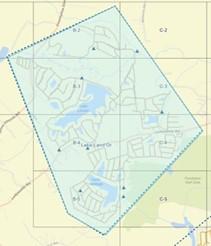
- 10 groundwater wells
- 8 iron and manganese treatment facilities
- 5 water storage tanks
- 31 miles of water mains
Wastewater System - Infrastructure Highlights
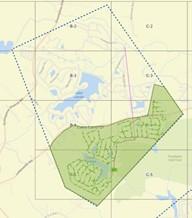
- 1 wastewater treatment plant
- 8 off site lift stations
- 14 miles of sewer pipe
Water System Information
Iron and Manganese in Groundwater
Iron (Fe) and manganese (Mn) are naturally occurring minerals commonly found in groundwater. Their presence depends on natural conditions such as pH, oxygen levels, and other chemical properties of the water.
When present in higher amounts, these minerals can cause:
- Orange or brown staining from iron
- Black staining or particles from manganese
- Changes in water color or taste
The U.S. Environmental Protection Agency classifies iron and manganese as secondary drinking water contaminants. Secondary standards address aesthetic qualities such as color, taste, and odor rather than health risks.
The EPA’s guideline levels are:
- Iron: 0.3 mg/L
- Manganese: 0.05 mg/L
These are non-mandatory guidelines, and levels above these thresholds generally affect water appearance rather than safety.
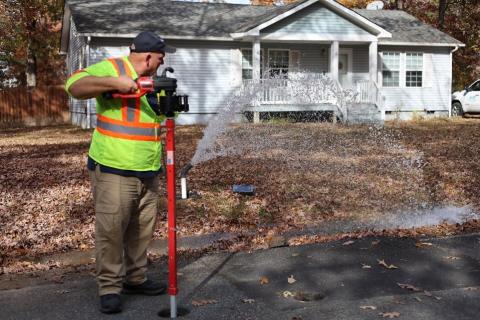
Water Main Flushing
Flushing a Water System's Pipelines is a common and necessary practice when maintaining a water distribution system. You can read more about water main flushing here.
Water Sampling After Repairs
When Aqua performs repairs on the water system, we follow a standard process to ensure water quality.
After service is restored:
- Water samples are collected from the system.
- Samples are sent to a certified drinking water laboratory for testing.
- Once results confirm water quality meets standards, Aqua lifts the advisory.
Customers will receive a WaterSmart Alert once test results are confirmed. This process typically takes 24-48 hours after water service is restored.
Projects to Reduce Iron and Manganese from Water Lines
More Frequent and Targeted Water Main Flushing
- Overview: Flushing removes mineral deposits that naturally build up in water mains. By moving water quickly through pipes, flushing helps clear out iron and manganese particles that can cause discoloration.
Aqua is focusing on targeted flushing in specific areas of the system to reduce the need for full system flushing and minimize disruption to customers.
Customers receive WaterSmart Alerts before scheduled flushing so they can plan accordingly.
- Status:
- A full system flush was completed in June 2025
- Another system-wide flush is planned for spring 2026.
- Targeted flushing will continue in key areas as needed.
New Water Flushing Locations
- Overview: Water flush-off valves are installed throughout the water distribution system to allow our operations team to clean and maintain water mains. Adding additional flushing locations makes it easier to target areas where mineral buildup occurs, clean pipes more efficiently, and minimize impacts to the rest of the system.
- Status:
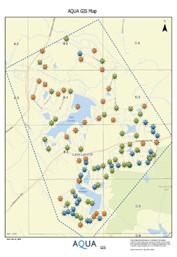
- Since Memorial Day 2025, Aqua has installed 18 new flush-off locations.
- This represents approximately 20% of the system total.
- Additional installations are planned in 2026.
Alternative Water Main Cleaning Methods
- Overview: Aqua is evaluating additional cleaning approaches that may remove mineral deposits more effectively and with less impact on customers.
- Status: Our team is currently evaluating potential solutions.
Water Line Replacement
- Overview: Targeted infrastructure improvements can help reduce mineral buildup and improve water circulation within the system. These improvements may include replacing sections of aging water mains.
- Status: Our team is evaluating water mains in the distribution system to start the engineering design process.
Projects to Improve Iron and Manganese Treatment at Well Sites
Increased Water Quality Sampling
- Overview: Aqua has increased the frequency of water quality sampling to confirm treatment systems are performing as designed. We are also monitoring chlorine levels to ensure they remain within safe drinking water standards.
- Status: Aqua’s compliance team is on site weekly to assist the operations team with sampling and managing water quality at treatment facilities.
Enhanced System Remote Monitoring (SCADA Technology)
- Overview: Aqua is investing in new Supervisory Control and Data Acquisition (SCADA) technology. This system will improve real-time monitoring of system performance, visibility into system operations, and response times if operational issues occur.
- Status: This project is currently in the design and fabrication stage. Anticipated completion by the end of 2026.
New Treatment at Well 12
- Overview: Well 12 is one of the largest producing wells in the Lake Land’Or system. Aqua is designing a new iron and manganese treatment at this well to improve water quality before it enters the distribution system.
- Status: Aqua held a kick-off meeting with our design consultant to discuss steps to move forward in the design, permitting, and construction process.
Well Cleaning & Restoration
- Overview: Over time, wells can accumulate mineral buildup that reduces efficiency and contributes to water quality challenges. Aqua has evaluated all of the wells across the system to determine where cleaning and restoration work can improve performance.
- Status: All cleaning operations have been completed.
Storage Tank Repairs and Maintenance
- Overview: Water storage tanks are regularly inspected and maintained to ensure proper operation and water quality. In 2025, Aqua completed inspections of water storage tanks, water valves, and treatment facilities.
- Status: Most repairs and maintenance items are addressed immediately after they are identified. Aqua is currently securing a contractor to complete several more complex repair items identified at select well sites.
Other Upcoming Projects in the Water System
Water Meter Exchange
- Overview: Installation of new RF meter reading devices to provide more reliability in capturing your water consumption and providing valuable diagnostic data.
- Status: This project is substantially complete; it’s anticipated that all RF equipment will be installed by the end of October 2026.
Wastewater System Information
Wastewater Infrastructure Improvements
Dewatering Building
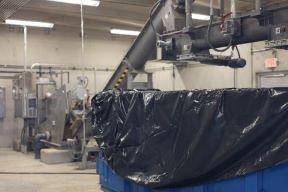
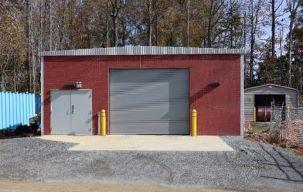
Aqua recently completed improvements to our existing wastewater dewatering process, including a new building with screw-press polymer feed pumps, conveyor system and remote monitoring. This $1.1M investment improves plant efficiency and reduces the amount of waste that must be hauled to the landfill.
| 
| 
|
Equalization Basin Digester Replacement
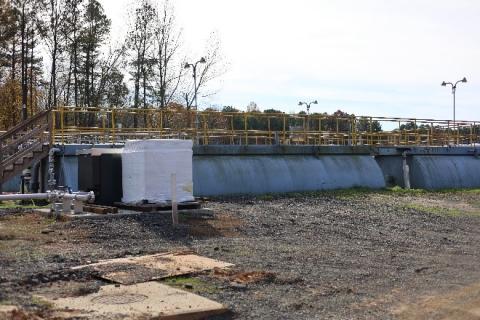
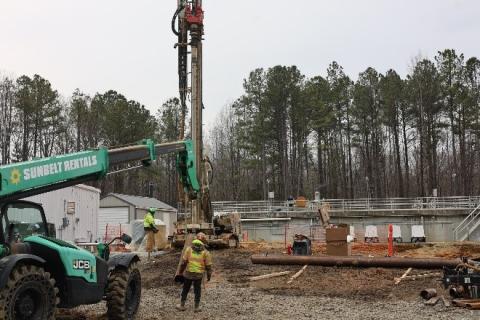
Construction started in early January 2026 to replace the existing digester and equalization basin, which had reached the end of its useful life. This project will completely replace the existing digester basin with a new prefabricated concrete unit and associated infrastructure piping and controls.
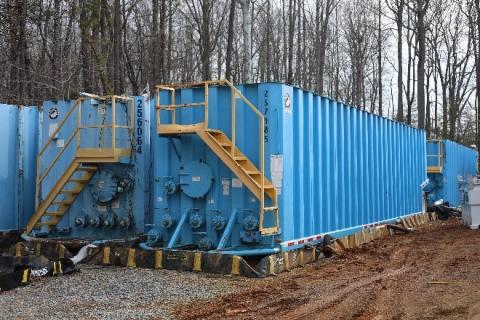
Temporary tanks are currently being used to maintain wastewater treatment operations. Nearby residents may experience periodic construction noise.
Once complete, this $6M investment will improve treatment plant reliability, increase system resiliency, and help prevent sanitary sewer overflows.
| 
| 
|
Inflow and Infiltration (I&I) Rehabilitation Project
This project is designed to identify and repair locations where groundwater and/or surface water may be entering the wastewater collection system. Reducing inflow and infiltration (I&I) helps decrease unnecessary sewer flows that can strain infrastructure, increase treatment costs, and reduce overall system efficiency.
Project activities may include:
- Closed-circuit television (CCTV) camera inspections of sewer lines to identify defects and areas of infiltration.
- Replacement of sewer service lines where needed.
- Rehabilitation and lining of sewer mains based on inspection findings and condition assessments.
These improvements will help protect the wastewater system, improve reliability, and reduce the costs associated with treating excess groundwater and stormwater that enter the sewer system.
Help Protect Your Water and Wastewater Systems
Protecting Your Water System
Avoid Cross Connections by Getting Backflow Required Inspections
Physical connections between the water system and your water service could be a potential source of contamination through cross-contamination or backflow where water and other substances could enter the water distribution system. The Federal Safe Water Drinking Act requires that backflow prevention devices be installed to prevent contamination of the drinking water supply.
Find out more about preventing cross connections and backflow. Read more here.
Protecting Your Water System from Winter Weather
Winter weather and cold temperatures can wreak havoc on household plumbing.
As we all know, when winter is here, and that means it’s cold outside. While you can keep yourself warm by throwing on another jacket or blanket, it’s important to remember that your pipes don’t have the same option. The water inside them can freeze and expand, causing major problems throughout the winter season.
Find out more about how to protect your pipes from winter weather:
Protecting Your Wastewater System
Protecting Your Wastewater System from Improper Disposal of Household items
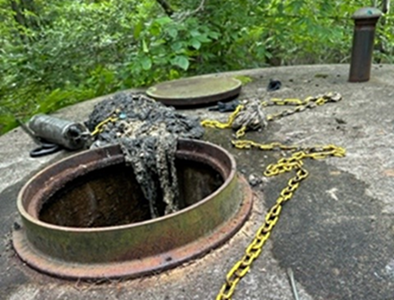
Improper disposal of household items like flushable wipes, fats, oils and grease into the sanitary sewer system is a leading cause of sanitary sewer overflows. This leads to blockages, sewer backups, pipes bursting, and overflows that can enter our streams and lakes.
We Need Your Help to Solve This Problem. If our customers more responsibly dispose of household materials, we can prevent sewer system overflows.
Here's how you can help
- Dispose of household items in the garbage.
- Keep fats, oils, grease from going down your sink drain and only flush toilet paper down the toilet.
- Do not flush diapers, rags and wipes – even if they say that they are flushable.
- Do not dispose of trash, pet waste, or dirty diapers on the beach and areas in and around the lake or near storm drains.
- Watch our short video here.
- Find out how to avoid costly clogs here.
- Find out more about what not to put down the drain here.
- Find out more about what not to flush here.
- If you think you see a leak or spill report it.
- If you think there is a water or wastewater problem contact Aqua at 877.987.2782, or by filling out our online form at https://www.aquawater.com/contact-us.php
- If you think that there is something being dumped into the storm drain, contact Virginia DEQ – Harrisonburg Valley Regional Office or call 540.574.7800


Experiencing a Problem with Your Water Service?
Customers should contact Aqua as soon as an issue occurs by calling our Customer Service Center toll-free at 877.987.2782.
Reporting concerns while the issue is actively occurring enables our team to investigate promptly, respond appropriately, and identify opportunities for operational adjustments or infrastructure improvements.
We encourage customers to report any of the following issues directly to Aqua:
- Low water pressure
- Service outages
- Discolored water
- Water quality concerns
- Wastewater service issues
- Water main leaks
- Other activities that may affect water service
Why Reporting Discolored Water Matters
Reports of discolored water are especially valuable because they help Aqua identify areas where targeted flushing activities may be needed. These reports also help inform future infrastructure and capital improvement projects that can enhance system performance and reliability.
Technical Support and Water Quality Questions
Customers experiencing technical issues with the Aqua Disruption Map, WaterSmart Alerts, or who have concerns regarding customer service may contact the Aqua Virginia Water Quality team at vawaterquality@aquawater.com.
Water Main Flushing
Flushing a Water System's Pipelines is a common and necessary practice when maintaining a water distribution system. You can read more about water main flushing below.
Why is Water Main Flushing Needed?
The U.S. Environmental Protection Agency's (EPA) recommends flushing water system pipelines at least once a year, and more often in areas with known water quality issues, such as dead ends, or pipes that don't loop back through the system. Aqua has increased flushing frequency in your system to remove mineral sediment that has built up over time, particularly after high-water use events.
What Flushing Does and Does Not Do
Flushing is used to maintain water quality in the distribution system – the network of pipes that carry water from the source to your home. It has no effect on the quality of the water at the source itself. If the source water contains elevated levels of iron and manganese, the water used during flushing will reflect that as well.
Flushing helps move accumulated minerals out of the distribution system. In doing so, it can stir up buildup, especially during high-flow events, which may lead to temporarily discolored water. It is necessary after new treatment is installed, helping to clear out residual buildup so customers can see the full benefit of the improvements.
What This Means For Your Home
Flushing has little direct effect on the plumbing inside your home. Sediment can still build up in household pipes and on water heater elements over time, which is why we recommend periodically flushing your own plumbing as well.
It is worth noting that flushing can temporarily stir up sediment in the mains, which may briefly affect the water coming into your home. During scheduled flushing, minimize water use and avoid washing laundry. After flushing is complete, run an outdoor spigot for a few minutes to clear any sediment from the service line before it reaches your indoor plumbing.
What to Expect During Water Main Flushing
- Customers will be notified of service interruptions through a WaterSmart Alert and/or notification on Aqua’s Disruption Event Viewer for planned outages, and as soon as possible for unplanned outages. Once on our disruption map website, you may check the status of your water service by searching for your address or zooming in on the map.
- Flushing could temporarily cause discolored water as it cleans out the pipes. We recommend that customers store sufficient water for cooking and drinking before flushing begins. We also recommend that you avoid doing laundry when system flushing is taking place since the minerals could cause staining, especially on light-colored items. You may experience low pressure and short water outages during the day of flushing.
- After Aqua completes flushing for the day, we recommend that you consider removing and cleaning the aerators on your faucets. You may also consider flushing your water line by running the outside spigot for a few minutes to help purge any sediment before entering your household plumbing. If you have not done so recently, we recommend you flush your water heater in accordance with the manufacturer’s recommendations once all flushing activities have been completed.
Join the Conversation
Aqua is moving forward on establishing a Water Workgroup in your community. At each meeting, Aqua will share updates as new water or wastewater projects, answer questions, and receive feedback from community members. If you are interested in participating, please email vawaterquality@aquawater.com.
Additional Resources
- Water Quality Report: Search your system name or Zip Code to view your Water Quality Report (also called Consumer Confidence Report)
- Disruption Event Viewer: Track system status
- Aqua’s ePortal: Manage your account, view bills and access service alerts
- WaterSmart Alerts: Sign-up or update your contact information for alerts by phone, text or email. If you were registered but did not receive an alert, please email us so we can troubleshoot. vawaterquality@aquawater.com
- Aqua Virginia’s Application to Adjust Rates: Find out more about our application to adjust water and wastewater rates. Customers may file comments with the SCC at: https://www.scc.virginia.gov/case-information/submit-public-comments/
Lets Stay Connected
- Give us your best contact info for our WaterSmart Alerts- email, text, or phone ( or all three!) Sign up at https://www.aquawater.com/watersmart-alerts
- You can share any feedback by calling 877.987.2782, or by filling out our online form at https://www.aquawater.com/contact-us
- If you are not satisfied with Aqua's response, customers may contact the State Corporation Commission by calling 800.552.7945 or by visiting their website at https://www.scc.virginia.gov.